
CARL at 50: A Diverse National Network of Member Research Libraries
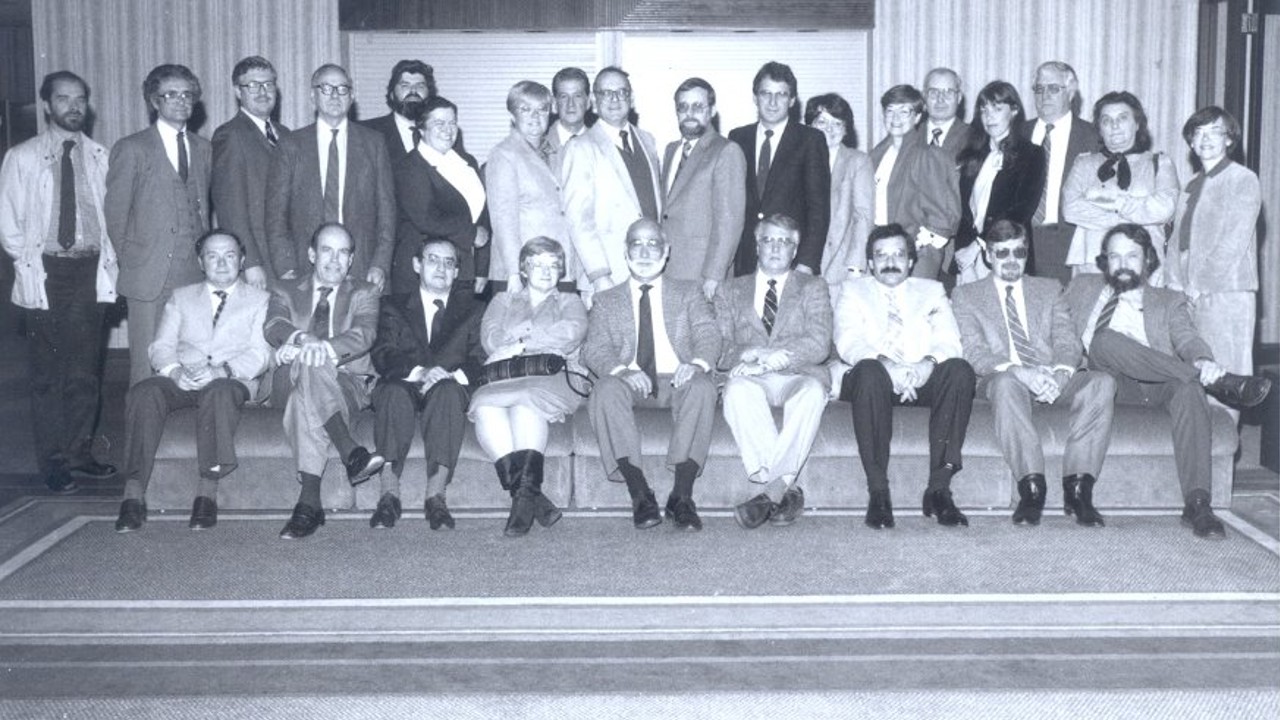
September 22, 2026 – CARL began in 1976 with 29 founding member institutions representing Canada’s academic research library community. From the outset, its strength has come from bringing together libraries of varying sizes, regions, and institutional contexts, united by a shared commitment to advancing research and scholarship.

Over time, CARL’s membership has evolved while remaining intentionally selective and nationally representative. Two university libraries have joined since its founding: Brock University (2009) and Toronto Metropolitan University (formerly Ryerson University) (2010). The Library of Parliament was also a member from 1999 to 2012 and rejoined CARL in 2025.
For Ryerson University, joining CARL came at a time of significant growth and transformation. Former Chief Librarian Madeleine Lefebvre recalled that the university was expanding its doctoral programs and research activity, while the library was working to build its collections, services, and space to support a growing research community. Joining CARL was an important step in positioning the library within Canada’s research library community and capitalizing on the institution’s momentum.
CARL’s membership also includes three non-university federal research libraries: Library and Archives Canada, the National Research Council Canada’s National Science Library, and the Library of Parliament, reflecting the broader ecosystem of Canada’s research and knowledge institutions.
Member institutions participate in two in-person member meetings each year, which provide a key space for strategic dialogue, collaboration, and collective decision-making. Between meetings, members engage through five strategic committees and several working groups that support ongoing knowledge exchange and coordinated action.

Today, CARL continues to reflect a wide cross-section of Canada’s research library landscape, including institutions from across the country and both anglophone and francophone communities. This diversity remains a core strength, enabling CARL to support dialogue and collaboration across a range of institutional realities.
Learn more about CARL members on our Membership page.