CARL at 50: From Microfilm to Digital Heritage: The Road to Canadiana.org
September 29, 2026 – Long before Canada’s documentary heritage was available online, research libraries were already working together to preserve it.
In 1978, a report commissioned by the Canada Council for the Arts recommended creating a national microform collection of Canadiana. That recommendation led to the creation of the Canadian Institute for Historical Microreproductions (CIHM), whose mission was to preserve rare and scarce Canadian publications and make them widely accessible.

Nearly two decades later, libraries began turning their attention to digital access. The Canadian Initiative on Digital Libraries (CIDL), founded in 1997, helped coordinate the development of Canadian digital collections and supported projects such as Our Roots / Nos racines, a major digitization initiative led by the University of Calgary Press and Bibliothèque de l’Université Laval.
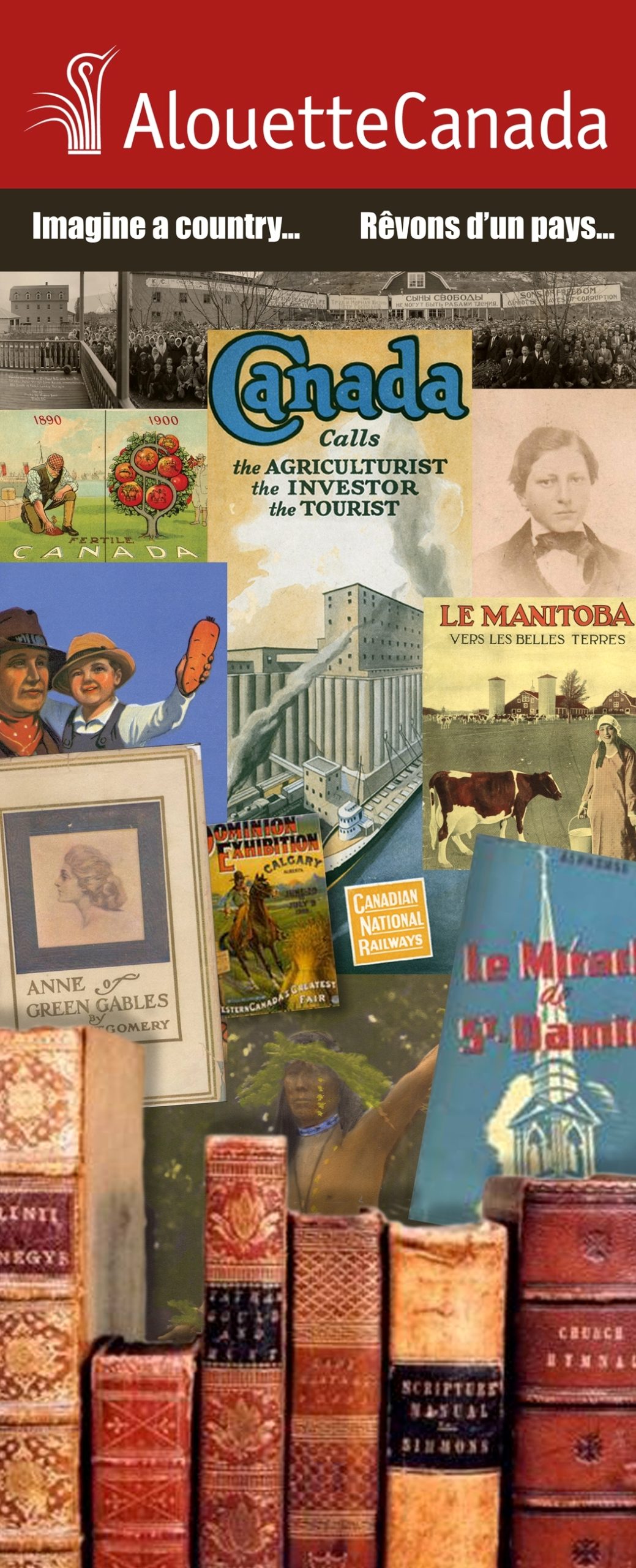
In 2006, CARL launched AlouetteCanada, an open digitization initiative built around a national vision for providing enduring online access to Canada’s cultural heritage. The project also developed an open-source metadata toolkit that would become the Digital Collection Builder, a tool designed to help libraries, archives, and other heritage organizations make their digitized collections discoverable online.
In March 2008, CARL and CIHM agreed to merge AlouetteCanada and CIHM to create Canadiana.org — a new organization dedicated to creating, preserving, and providing online access to Canada’s documentary heritage. The Digital Collection Builder was launched the following year, in June 2009. Developed through broad-based consultation involving more than 45 people on planning committees and a dozen IT professionals, the open-source tool made it easier for institutions of all sizes to contribute their digitized collections to Canadiana.org and other search portals.
At the launch, Ernie Ingles, then CARL President and Vice-Provost and Chief Librarian at the University of Alberta, highlighted how digital access was transforming research and learning:
“Much of what is now available online was available on microfilm at only larger universities or only one or a few places in paper. Now, scholars and university students have access to millions of pages at any hour of the day wherever they are working.”
For the next decade, Canadiana.org became a key part of Canada’s digital heritage infrastructure. In 2018, it merged with CRKN, where its services continue today, supporting the digitization, discovery, and long-term preservation of Canadian documentary heritage.
From microfilm preservation in the 1970s to national digital access in the 2000s, this story reflects a recurring theme in CARL’s history: research libraries working together to build shared infrastructure for knowledge, access, and preservation.
Visit the CRKN website to learn more about the history of Canadiana.